
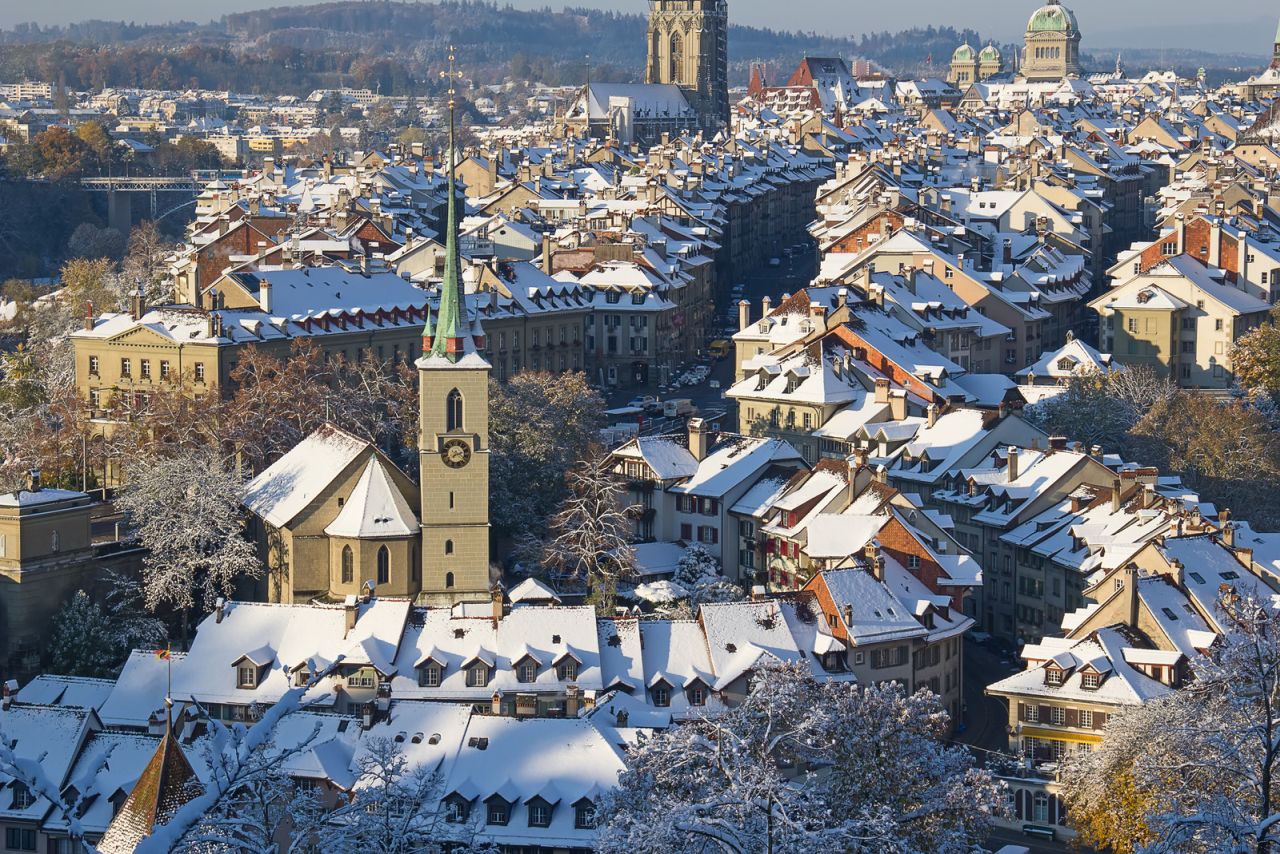
Imagine waking up to snow-capped mountains right outside your window, sipping a warm cup of coffee as you log in to your work. Winter in Switzerland offers a unique blend of productivity and adventure that few places can match.
If you’re a digital nomad looking for a fresh, inspiring environment to work remotely this season, Switzerland could be your perfect winter destination. From cozy chalets and reliable internet to breathtaking landscapes and thrilling winter sports, your work-life balance will reach new heights.
Ready to discover how you can make the most of winter in Switzerland while staying connected and productive? Keep reading to uncover everything you need to know to turn this dream into your reality.
Digital Nomad Visas And Permits
Switzerland does not offer a specific digital nomad visa. Most nomads use the tourist visa, which usually allows stays up to 90 days. This visa does not permit working officially but is often used for short visits.
The Self-Employment Residence Permit is an option for those wanting to work legally. It requires proof of income and a viable business plan. This permit is harder to get and may take more time.
Visa challenges include strict rules and high costs. Switzerland has tight controls on work permits. Many nomads find it difficult to stay long-term without proper authorization.
Best Winter Locations
The Swiss Alps ski resorts offer perfect spots for winter sports lovers. Skiing and snowboarding are popular here. Cozy mountain huts provide warm food and drinks. Many resorts have fast internet for remote work.
Lugano has a milder winter climate with fun outdoor activities. You can walk along the lake or visit winter markets. The city blends nature and culture well. It also has cafes ideal for working with a view.
Zurich and Geneva bring lively city life in winter. Museums, theaters, and shops stay open. Warm cafés and coworking spaces make working easy. Both cities have good public transport for quick trips.
Weather And Climate
Winter in Switzerland brings cold temperatures, usually between -2°C and 5°C. Mountain areas can be much colder, often below freezing. Snow covers many regions, especially the Alps, creating perfect conditions for skiing and snowboarding.
Mountain weather can change quickly, so it is important to dress in layers and be prepared for sudden snow or wind. Cities tend to be less snowy but still chilly.
| Aspect | Details |
|---|---|
| Typical Winter Temperatures | -2°C to 5°C in cities, colder in mountains |
| Snow Conditions | Heavy snow in Alps, lighter in towns |
| Mountain Weather | Unpredictable, can change fast |
| Off-Season Benefits | Less crowded, lower prices, peaceful |
The winter off-season offers calmer streets and cheaper accommodation. It is a great time for digital nomads to enjoy work-life balance. Quiet cafes and cozy spots make working outside the home easy and pleasant.
Cost And Budget Tips
November to February are usually the cheapest months to visit Switzerland. Prices drop as fewer tourists come. Hotels and hostels offer discounts. Ski resorts have lower rates early in winter.
For affordable stays, try hostels or guesthouses outside city centers. Airbnb can be cheaper than hotels. Booking early helps secure lower prices.
| Transport Tips | Food Tips |
|---|---|
|
|
Work-friendly Spaces
Major Swiss cities like Zurich, Geneva, and Basel offer modern co-working spaces. These places provide quiet desks, fast Wi-Fi, and comfortable seating. Many also have meeting rooms and coffee corners for breaks. Perfect spots to stay productive while enjoying city life.
For a more immersive experience, coliving options in the Alps are popular. Shared homes near ski resorts allow nomads to live with others. These spaces offer easy access to nature and a cozy atmosphere. Ideal for mixing work and outdoor fun.
Reliable internet is key in Switzerland. Most urban areas and coliving spots have strong, stable connections. Mobile data networks cover even some mountain regions. Ensures smooth video calls, quick uploads, and steady browsing no matter where you stay.
Lifestyle And Leisure
Switzerland offers excellent winter sports like skiing, snowboarding, and ice skating. Mountains and lakes create perfect spots for outdoor fun. Trails for hiking and snowshoeing attract many adventurers.
Local events bring joy and culture during winter. Christmas markets, music festivals, and traditional celebrations light up the towns. These gatherings are great to meet locals and enjoy Swiss culture.
Balancing work and adventure is easy here. Many cafes and coworking spaces have fast internet and cozy atmospheres. After work, exploring snowy landscapes refreshes the mind and body. This balance keeps digital nomads happy and productive.
Health And Safety
Stay warm and dry to avoid common winter illnesses. Dress in layers and wear a good waterproof jacket. Drink plenty of water to keep hydrated despite the cold. Avoid long exposure to freezing temperatures to prevent frostbite and hypothermia.
Choose a travel insurance plan that covers medical emergencies and accidents. Check if it includes winter sports coverage if you plan skiing or snowboarding. Keep your insurance documents easily accessible at all times.
| Emergency Contacts | Service | Number |
|---|---|---|
| General Emergency | Police, Fire, Ambulance | 112 |
| Medical Help | Swiss Medical Emergency | 144 |
| Mountain Rescue | Alpine Rescue | 1414 |
Save these numbers on your phone and keep a paper copy. Always inform someone about your plans before heading outdoors. Stay aware of weather updates and avoid risky areas during storms or heavy snowfall.
Transportation And Mobility
Public transport in Switzerland is very reliable during winter. Trains, buses, and trams run on time, even with snow. Many routes connect cities to mountain resorts, making travel easy. Tickets can be bought online or at stations. Swiss Travel Pass offers unlimited rides for tourists.
Car rentals are an option but require care. Choose vehicles with winter tires. Drive slowly and keep distance from other cars. Carry snow chains and know how to use them. Roads can be icy and slippery.
Driving on snowy terrain demands focus. Use low gears on steep slopes. Avoid sudden braking or sharp turns. Watch for snowplows and follow their signals. Always check weather and road conditions before leaving.
Frequently Asked Questions
Is It Worth Going To Switzerland In The Winter?
Switzerland offers stunning winter landscapes, skiing, and cozy villages. It suits winter sports lovers and those seeking magical snowy experiences.
Can You Be A Digital Nomad In Switzerland?
Switzerland lacks a specific digital nomad visa. Remote work is possible with a tourist or self-employment permit.
How Cold Is Switzerland In Winter?
Switzerland in winter experiences temperatures from -2°C to -10°C in cities. Mountain areas can drop below -20°C, with heavy snowfall common.
Conclusion
Winter in Switzerland offers digital nomads a unique balance. Crisp mountain air meets cozy workspaces. Snowy landscapes inspire creativity and focus. Affordable options appear during the off-season. Reliable internet keeps work running smoothly. Outdoor activities help refresh the mind. Local culture adds charm to daily life.
Embrace winter’s calm for better productivity. Switzerland’s winter is perfect for remote work.

Hi, I’m Laura, a travel writer with a thing for Switzerland and Central Europe. I write practical, down-to-earth guides that help people get the most out of their trips, whether they’re navigating mountain trains in the Alps or finding the best cafés in small Czech towns. I’m based in Zurich, but I’m often on the road, notebook in hand, chasing great views, good food, and local stories. My goal? To make travel feel less overwhelming and way more fun.
Great article! Switzerland in winter does sound like a dream for a digital nomad. Your section on “Health And Safety” is particularly important, especially the point about staying hydrated and avoiding winter illnesses.
This made me wonder about a more specific scenario. While your advice is fantastic for general wellness, what would you recommend for a digital nomad who does get a common travel bug, like a stomach issue, while based in a smaller Swiss Alpine town? Is it generally easy to access pharmacies and get advice, or is it crucial to come prepared with a specific travel health kit?
I was reading a detailed guide on this very topic that suggests some essential items to have. Sorry for the link, but it helps explain what I’m referring to better: https://pillintrip.com/ru/article/how-to-stay-healthy-while-traveling-essential-guide-for-digital-nomads
Based on your experience, how would you tailor those general travel health tips for the specific context of a Swiss winter? Thanks for the insightful post!