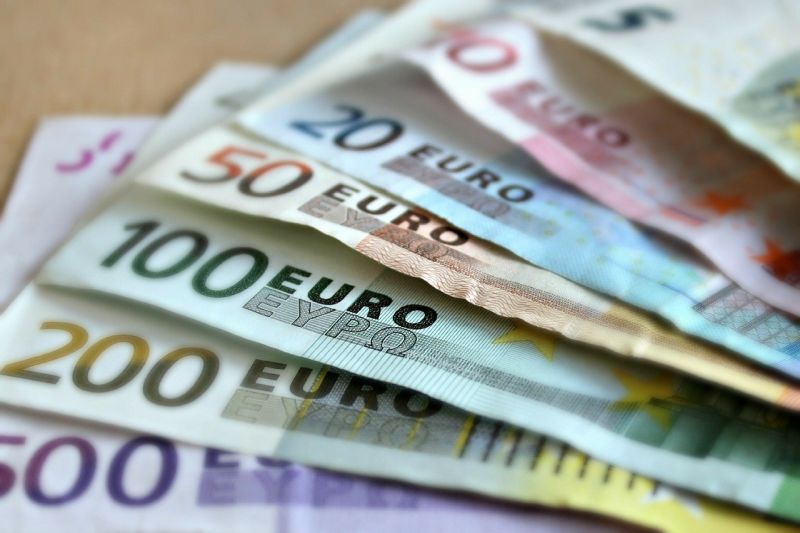
Switzerland might seem like an expensive playground, especially if you’re a digital nomad juggling work and travel. But what if you could actually save money here without sacrificing your lifestyle?
You’re about to discover smart, practical ways to keep your wallet happy while enjoying the Swiss experience. From hidden budget hacks to clever spending tips, this guide will help you make the most of your time in Switzerland—and keep more money in your bank account.
Ready to unlock the secrets of saving money in one of the world’s priciest countries? Let’s dive in.
Cost Of Living Basics
Housing expenses in Switzerland are high. Renting a small apartment in cities like Zurich or Geneva can cost over 1,500 CHF monthly. Sharing a flat helps reduce costs. Outside big cities, prices drop significantly.
Food and groceries are also costly. Buying fresh produce at local markets can save money. Cooking at home is cheaper than eating out. Swiss supermarkets offer many products, but prices are above average.
Transportation costs depend on travel style. Public transport is reliable but not cheap. Monthly passes cost around 70-100 CHF. Using a bike or walking saves money and is healthy.
Healthcare and insurance are mandatory. Basic health insurance costs about 300-400 CHF monthly. It covers most medical needs but check for extra coverage. Staying healthy reduces medical expenses.
Banking And Taxes
Swiss taxes include both wealth and income taxes. Your bank account balance counts as part of your wealth. Cantons charge a tax on the taxable portion of your wealth. Income taxes depend on where you live and how much you earn.
Opening a Swiss bank account requires valid ID and proof of address. Some banks ask for a minimum deposit. Choose a bank that fits your needs and offers low fees. This helps keep your costs down.
Exchange currency wisely to save money. Use local banks or official exchange offices for better rates. Avoid airport or hotel exchange services because they charge more. Pay attention to fees and rates before exchanging money.
Affordable Accommodation Options
Co-living spaces offer a budget-friendly way to stay in Switzerland. These places often include utilities, internet, and shared workspaces. This setup helps digital nomads meet others and save on costs.
Short-term rentals like Airbnb or serviced apartments provide flexibility. Prices vary by location and season. Booking in advance and choosing less touristy areas can lower expenses.
House sitting opportunities allow staying for free in exchange for caring for pets or homes. This option cuts accommodation costs and offers a local living experience. Platforms like TrustedHousesitters connect nomads with homeowners.
Smart Food Choices
Local markets offer fresh produce at lower prices than supermarkets. Seasonal fruits and vegetables are usually cheaper and tastier. Buying from farmers helps you save and supports the community.
Cooking at home saves money and lets you control ingredients. Simple meals like pasta, rice, and eggs are affordable and quick. Preparing food yourself avoids expensive restaurant bills every day.
Some budget-friendly restaurants serve good food without high prices. Look for places popular with locals, small cafes, or ethnic eateries. These spots often have daily specials or lunch menus that cost less.
Transport Hacks
Public transport is reliable and covers most areas in Switzerland. Buying a Swiss Travel Pass saves money on trains, buses, and boats. It offers unlimited rides for a set number of days. Plan trips to avoid buying single tickets, which cost more.
Bikes are a cheap and healthy way to move around cities. Many towns have bike rental services with low daily rates. Walking is often best for short distances. It helps you discover hidden spots and saves transport costs.
| Discount Pass | Cost | Benefits |
|---|---|---|
| Swiss Travel Pass | From 75 CHF/day | Unlimited public transport, free museum entry |
| Swiss Half Fare Card | 120 CHF/year | 50% off most transport and mountain trips |
| Regional Travel Passes | Varies by region | Discounts on local transport and attractions |
Maximizing Income And Savings
Many digital nomads use freelance platforms like Upwork, Fiverr, and Freelancer. These sites offer a wide range of jobs, from writing to graphic design. Building a strong profile helps attract better clients and higher pay. Consistent work on these platforms can lead to steady income and valuable reviews.
Investing in new skills is crucial for earning more. Learning coding, digital marketing, or project management increases job options. Short online courses or tutorials often provide the needed skills quickly and affordably. Higher skills usually mean higher rates and more job offers.
| Currency | Tip for Managing Fluctuations |
|---|---|
| Swiss Franc (CHF) | Use local accounts to avoid extra exchange fees. |
| Euro (EUR) | Transfer money during favorable rates to save money. |
| US Dollar (USD) | Keep some funds in USD for emergencies or investments. |
Watching currency changes helps protect your earnings. Use apps or websites to track rates. Avoid exchanging large sums when the rate is low.
Digital Tools For Budgeting
Expense tracking apps help you record every cost easily. They show where your money goes daily. Using these apps keeps your spending under control and helps you save. Some popular apps also send alerts when you spend too much.
Currency conversion tools make understanding Swiss francs simple. They give real-time exchange rates for your home currency. This helps avoid paying too much when buying or exchanging money. Many tools work offline, handy for travel without internet.
Online banking features offer quick access to your accounts. You can transfer money, pay bills, and check balances anytime. Many banks have apps with budgeting tools and spending summaries. This helps track your money and plan your budget better.
Lifestyle Adjustments
Embracing minimalism helps cut costs by reducing unnecessary purchases. Choose quality over quantity to save money in the long run. A simpler lifestyle means fewer expenses on things you do not need.
Socializing does not have to be expensive. Meet friends at parks or host potluck dinners at home. Many cafes and bars offer happy hour deals to enjoy without overspending.
Seasonal activities often come with discounts or free options. Hiking in summer and skiing in winter can be affordable with local passes. Look for community events and festivals that are low cost or free to join.
Networking And Community
Digital nomad meetups offer a great way to meet new people and share tips. These gatherings help build friendships and exchange ideas on saving money in Switzerland. Many meetups are free or low cost, making them budget-friendly.
Local expat groups provide support and advice about living cheaply. They often organize social events and share info on affordable housing, food, and transportation. Joining these groups can reduce loneliness and increase savings.
Coworking spaces are more than just places to work. They offer networking chances and access to useful resources. Some spaces have discounts or special deals for members, helping cut work-related expenses.
Travel And Leisure Savings
Traveling during the off-season in Switzerland can save you a lot of money. Prices for hotels and flights drop significantly. Many popular places are less crowded, making your trip more enjoyable and budget-friendly.
Switzerland offers many free and low-cost attractions. Museums often have free entry days. Parks, hiking trails, and lakesides are open to everyone without any cost. These spots let you enjoy nature and culture without spending much.
| Swiss Travel Pass Benefits | Details |
|---|---|
| Unlimited Travel | Use trains, buses, and boats across Switzerland without extra cost. |
| Free Entry | Access to over 500 museums and attractions included. |
| Cost Savings | Pass saves money compared to buying separate tickets. |
The Swiss Travel Pass is great for tourists who want to explore widely. It helps cut travel costs and adds convenience.
Frequently Asked Questions
Is $100,000 A Good Salary In Switzerland?
A $100,000 salary in Switzerland is decent but may feel average due to high living costs. It covers basic expenses comfortably.
Is Switzerland A Good Place To Save Money?
Switzerland offers strong financial stability and high income, enabling better net savings despite living costs. Disciplined habits boost wealth accumulation.
Do You Pay Tax On Savings In Switzerland?
Yes, Switzerland taxes savings through wealth and income taxes. Bank balances and investments count toward taxable wealth, and cantons apply wealth tax.
Conclusion
Saving money in Switzerland as a digital nomad takes smart planning. Choose affordable housing and cook meals at home. Use public transport instead of taxis. Explore coworking spaces with reasonable rates. Keep track of expenses daily to avoid overspending. Switzerland offers high income but also high costs.
Discipline and simple habits help stretch your budget. Embrace local tips and stay flexible in spending. Saving here is possible with careful choices and patience. Your money will go further with these easy steps.

Hi, I’m Laura, a travel writer with a thing for Switzerland and Central Europe. I write practical, down-to-earth guides that help people get the most out of their trips, whether they’re navigating mountain trains in the Alps or finding the best cafés in small Czech towns. I’m based in Zurich, but I’m often on the road, notebook in hand, chasing great views, good food, and local stories. My goal? To make travel feel less overwhelming and way more fun.
