
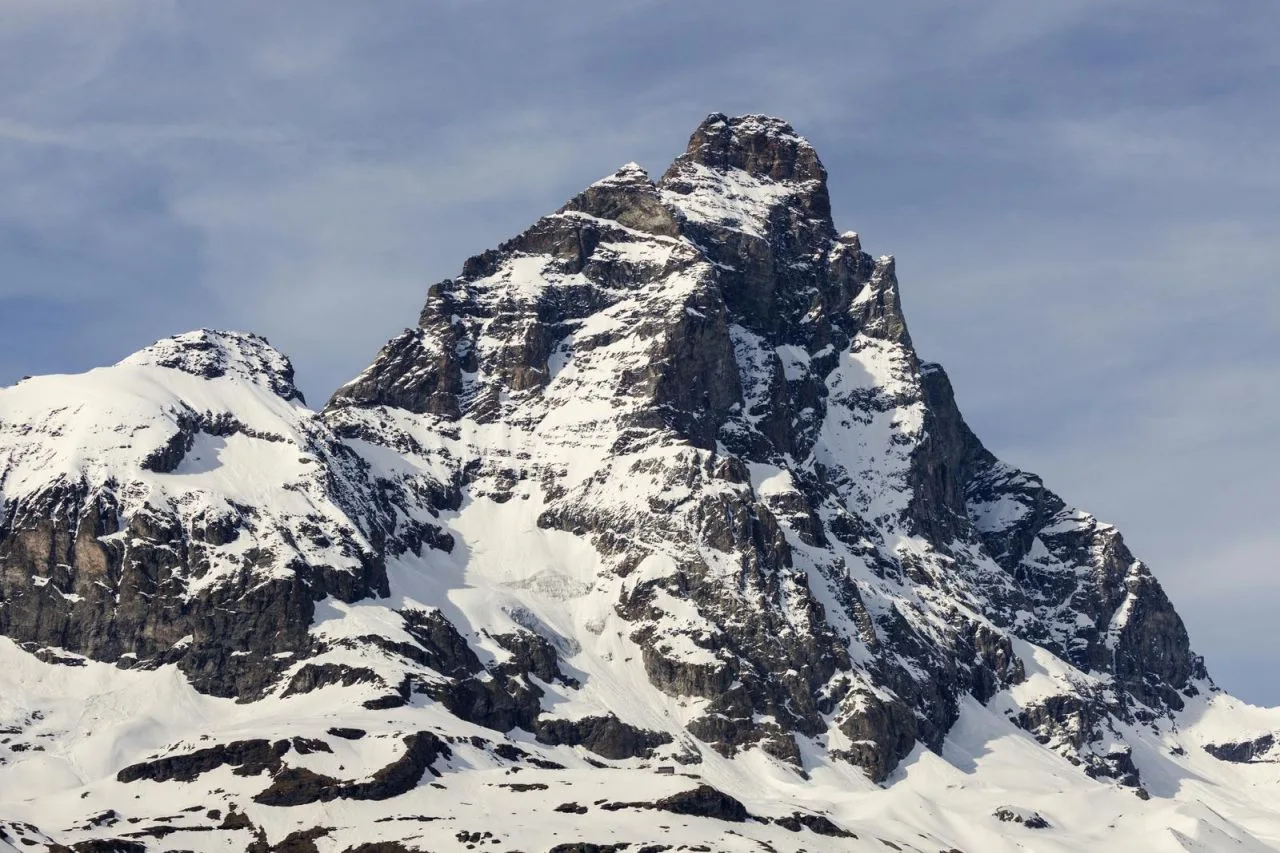
Quick answer: Zermatt is an easy place to visit alone. It is car-free, compact, well connected by train and has marked trails for most abilities. Most solo visitors enjoy the Matterhorn from viewpoints and hiking trails rather than from the summit. Climbing the mountain is a serious mountaineering undertaking, and the standard approach is to go with a certified mountain guide.
Planning your trip
| Question | Short answer |
|---|---|
| Getting there | Train to Visp, then the Zermatt line. Cars stop at Täsch, with a shuttle train onward. |
| Getting around | On foot, electric taxis and mountain railways and cable cars. |
| Best time to hike | Roughly late June to September, with higher routes opening later. Check current trail conditions. |
| Best time to ski | Winter, with a high-altitude area that extends the season. See our Zermatt skiing guide. |
| Cost | High, especially for lodging and lifts. Book early for peak weeks. |
Where to stay
Zermatt has a wide range of lodging from hostels and guesthouses to luxury hotels. Staying in or near the village center makes it easy to reach the station and the lifts. Hostels and shared dorms are the easiest way to meet other travelers, while apartments with kitchens help control food costs. Book ahead for July, August, and the winter holiday periods.
Walks and hikes near the Matterhorn
- Gornergrat: take the cogwheel railway up for views of the Matterhorn, Monte Rosa and glaciers, then walk part of the way down. Check timetables and weather.
- Five Lakes Walk (5-Seenweg): a popular half-day walk past several mountain lakes, with the Matterhorn reflected in the water on calm days.
- Village and valley paths: easy walks along the river and through the old Hinterdorf area need no special equipment.
Trail difficulty, lift operation and snow cover change through the season. See our Zermatt and Matterhorn hiking guide for routes, and best time for hiking for timing.
Climbing the Matterhorn: what it involves
The Matterhorn is 4,478 meters high. The normal summit route is the Hörnli Ridge, which is a demanding technical climb with exposed sections, fixed ropes, loose rock and rapidly changing weather. It requires solid mountaineering experience, good fitness and acclimatization. People die on the mountain most years, including experienced climbers.
- Do not treat it as a solo objective. The standard and safest way is with a certified mountain guide, often over more than one day with a night at a hut.
- Guides decide based on conditions, so be ready for the trip to be postponed or called off.
- Build up with smaller peaks and acclimatization days first.
If you do not climb, you can still get close: the Gornergrat, the Klein Matterhorn cable car and the lakes give excellent views without technical risk.
Safety when hiking alone
- Check the mountain forecast and trail status every morning. Afternoon storms are common in summer.
- Tell someone your route and expected return time, and leave a note at your accommodation.
- Stay on marked trails, carry water, layers, a charged phone and a power bank, and turn back if conditions worsen.
- Know the emergency numbers: 112 for general emergencies, 144 for an ambulance and 1414 for Rega, the air rescue service. Rescue can be expensive, so check that your insurance covers mountain rescue.
Read our mountain safety guide and mountain weather guide before you go.
Things to do in Zermatt that are not hikes
- The Matterhorn Museum tells the story of the mountain and its first ascent.
- Restaurants serve fondue, raclette and other Valais dishes. Many have bar seating or small tables suited to one diner.
- Winter visitors can ski, snowshoe or take sled runs. Check avalanche reports and stay on marked pistes.
Meeting people and keeping costs down
- Hostels, guided group hikes and small-group tours are the most reliable ways to find company.
- Regional passes and the Swiss Travel Pass can lower transport costs. See our Swiss Travel Pass guide.
- Buy picnic food in the supermarket, and choose self-guided walks to save on tours. Many viewpoints and valley trails are free.
Frequently asked questions
Can you climb the Matterhorn alone?
It is technically possible but not advisable for most people. The normal route is serious, and the standard recommendation is to climb with a certified guide.
Is Zermatt good for solo travelers?
Yes. It is safe, compact and car-free, with many marked trails and plenty of ways to meet other visitors. Costs are high.
How many days do I need?
Two to three days covers the main viewpoints and a hike. Allow more if you want to ski, climb or acclimatize.
Keep planning

I’m Laura, a travel writer based in Zürich, and Switzerland is the place I know better than anywhere else. I moved here 9 years ago and haven’t stopped exploring it since.
Over the past 9 years I’ve made 40+ trips across every Swiss canton — from the Italian-speaking south of Ticino to the remote valleys of Graubünden to the lake towns of Romandy. I speak German, French and English fluently, which means I can read the local newspapers, argue with train conductors, and actually understand what the mountain guide is telling you when the weather turns.
Switzerland is a deceptively complex destination: four languages, 26 cantons, wildly different regional cultures, and a transport network so intricate it takes years to properly understand. I write to demystify all of it — whether you’re planning your first visit to Zermatt, deciding between Zürich and Geneva for a city break, or figuring out how to live here as a digital nomad or remote worker.
I also cover Central Europe for travellers who want to venture beyond the obvious — particularly the Czech Republic, Austria and the Alpine arc connecting Switzerland to its neighbours.
All About Swiss is my home base, where I publish in-depth guides to Swiss travel, life and culture. If it involves Switzerland, I’ve probably written about it, or I’m about to.