
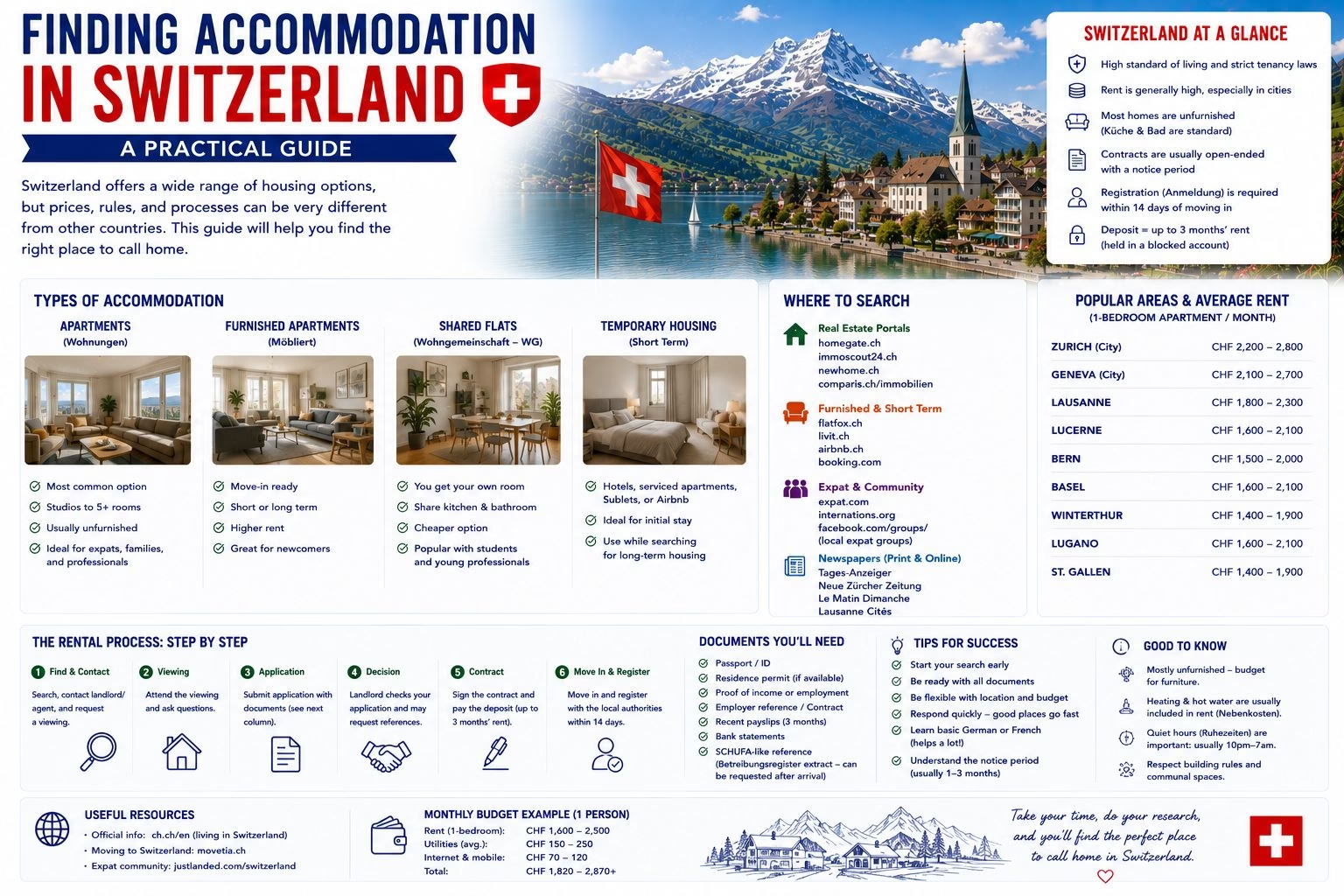
Switzerland’s rental markets, particularly in the major cities, are genuinely competitive, and finding an apartment requires moving faster and coming better prepared than most renters are used to elsewhere. The process is broadly similar nationwide, though intensity varies significantly by city, the Living in Zürich guide covers Zürich’s market specifically, which is the tightest in the country, but the core process below applies across Switzerland regardless of which city you’re targeting.
Where to Search
Homegate, ImmoScout24, and Comparis are the three main rental platforms used nationally, covering the large majority of available listings across all major cities. New listings, particularly in competitive markets like Zürich and Geneva, go quickly, often within hours in the most sought-after districts, so setting up alerts on these platforms and responding within hours of a new listing appearing is the standard approach for anyone serious about securing a place in a competitive market. Waiting a day or two before enquiring about an appealing listing is, realistically, often too late in the tightest markets.
Beyond the main platforms, some landlords and property management companies (Verwaltungen) list exclusively on their own websites, and local Facebook groups or expat community boards occasionally surface listings before they hit the main platforms, particularly for room shares and sublets, worth checking if the main platforms aren’t turning up enough options.
What You’ll Need to Apply
A competitive rental application in Switzerland typically requires several supporting documents, and having them ready before you start viewing apartments meaningfully speeds up the process, arriving at a viewing with a complete application folder while other applicants are still gathering documents is a genuine, non-trivial advantage in a tight market:
- A Betreibungsregisterauszug (debt collection register excerpt), confirms no outstanding debt collection actions against you, obtained from your local Betreibungsamt for a small fee (around CHF 17)
- Proof of income or financial means, recent pay slips, an employment contract, or bank statements, generally expected to show income of roughly three times the monthly rent
- A reference from a previous landlord, where available, new arrivals without a Swiss rental history sometimes substitute an employer reference or a larger deposit offer instead
- Valid identification, and for non-EU/EEA nationals, proof of a valid residence permit
- A completed rental application form (Mietgesuch), which the listing agent or landlord will typically provide at or before the viewing
The Deposit
Swiss landlords commonly require a rental deposit (Mietkaution) of up to three months’ rent, held in a dedicated blocked bank account (Kautionskonto) in the tenant’s name rather than paid directly to the landlord, this is a standard, legally regulated arrangement rather than something to be wary of, and several Swiss banks offer these accounts specifically for this purpose, usually opened at the same time as or shortly after signing the lease. The funds remain legally the tenant’s, released back at the end of the tenancy once any deductions for damage beyond normal wear are settled.
After You’ve Found a Place: Registration
Once you’ve signed a lease, Swiss law requires registering your new address (Anmeldung) with the local municipal office (Kreisbüro or Gemeinde, depending on the location) within 14 days of moving in, this applies to Swiss citizens and foreign residents alike. Registration requires your lease contract, passport, and, for non-EU/EEA nationals, proof of valid residence permit; EU/EEA nationals generally complete a more streamlined version of the same process, usually without the additional permit documentation.
This registration is the administrative foundation for everything that follows, it generates the register number needed for mandatory health insurance enrolment (covered in the Healthcare for Expats guide) and activates access to municipal services generally, including things as basic as a resident parking permit or library card, so it’s not a step worth delaying past the 14-day requirement.
Tips for a Competitive Market
In tight markets like Zürich and Geneva specifically, having your full document set ready before you start viewing, being genuinely flexible on move-in date where possible, and responding to new listings within hours rather than days meaningfully improves your odds. A short, personable cover note attached to the application, a couple of sentences on who you are and why the specific apartment suits you, is a small thing that some landlords and agents notice, particularly for owner-managed rather than large-portfolio properties.
Working through a relocation agency or a Swiss employer’s relocation support, where available, can also significantly ease the process for a first apartment, even though it comes at a cost, for anyone arriving without existing Swiss references or a Swiss employment history, this is often the difference between a straightforward search and a genuinely frustrating one.
Related: Living in Zürich | Cost of Living | Residence Permits | Best Cities for Digital Nomads
Written by Laura Meier from Zürich, based on nearly a decade of Swiss residence and ongoing direct experience of the places, trails, trains, and bureaucratic processes described. Updated regularly as prices and conditions change, corrections and updates welcome at contact@allaboutswiss.com.