
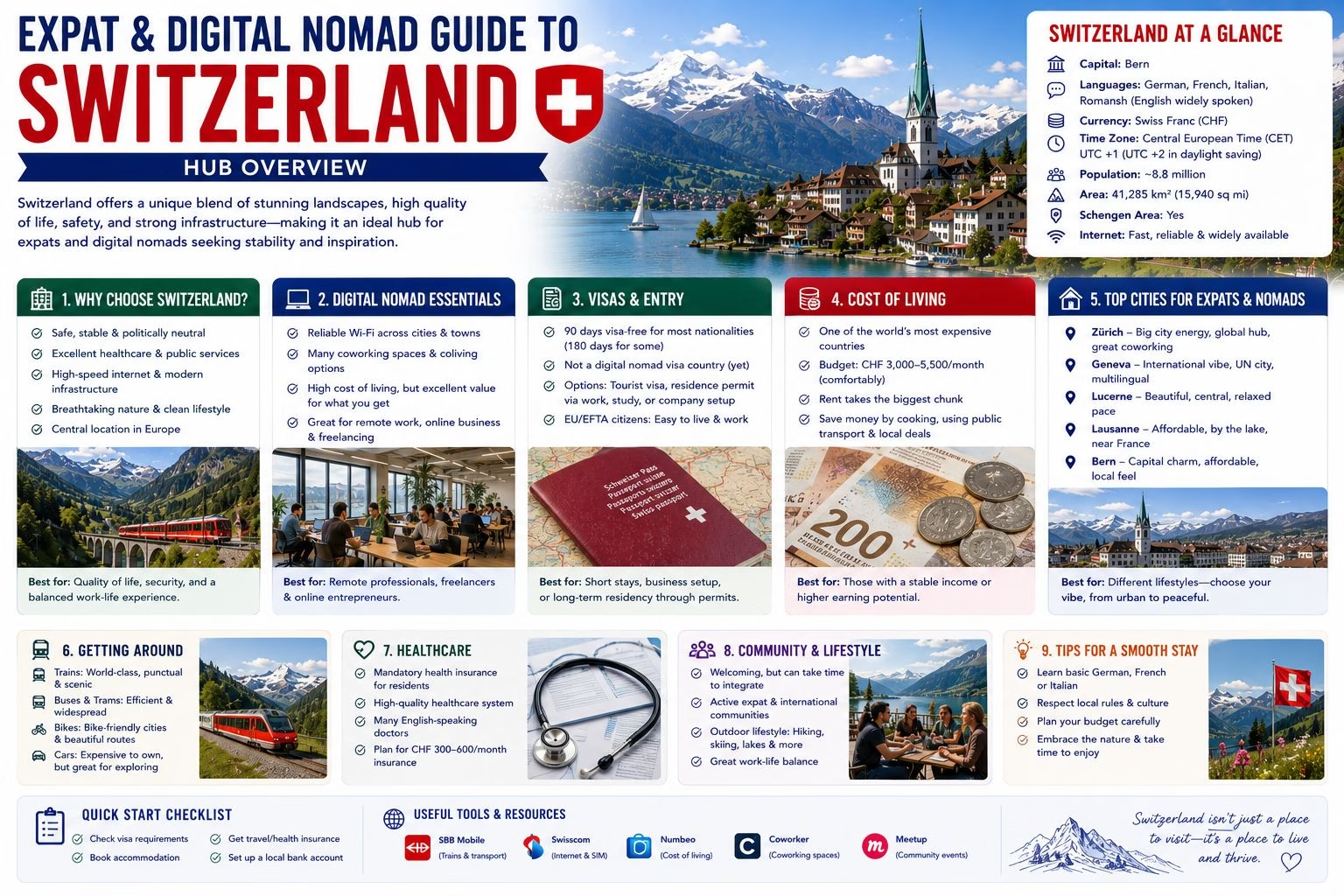
Switzerland is one of the world’s most desirable long-term residence destinations and one of its most administratively challenging. The combination of extraordinary quality of life, excellent infrastructure, spectacular natural environment, and strong employment opportunities attracts skilled workers, retirees, and digital nomads from around the world; the combination of the most expensive cost of living in Europe, a strict and specific residence permit system, mandatory health insurance, and administrative requirements that vary between 26 cantons creates a residency experience that rewards thorough preparation.
This hub is the starting point for that preparation. It’s organised around the questions that actually come up in roughly the order they come up: whether you have a legal path to stay at all, what it will cost, where to live, and how to handle the specific administrative steps — permits, healthcare, accommodation — once you’ve decided to go ahead.
Who This Hub Is For
Digital nomads and remote workers: Visitors and residents working remotely for foreign clients or employers who are considering Switzerland as a base or a long-stay destination. Switzerland does not have a specific digital nomad visa; the legal options for extended stays and the practical considerations of working remotely here are covered in the Digital Nomad Guide, which is the right starting point for this group specifically since the legal picture differs substantially by nationality.
Expats moving for employment: Professionals moving to Switzerland for Swiss-based employment. The Swiss workforce includes approximately 25 percent foreign nationals, and the permit system, healthcare requirements, and practical set-up information are all covered across this hub — the Residence Permits guide is the natural first stop, since the permit category tied to your job offer determines most of what follows.
Long-term visitors: Retirees, lifestyle expats, and anyone planning to spend more than 90 days in Switzerland. The permit system, the healthcare obligation (mandatory after 3 months of residence), and the banking requirements are the primary administrative challenges for this group, and the same Residence Permits and Healthcare for Expats guides apply regardless of whether the stay is employment-driven.
Where to Start
For most people, the practical order is: confirm the legal basis for staying (the Digital Nomad Guide or Residence Permits, depending on your situation), budget realistically using the Cost of Living guide, decide which city fits using Best Cities for Digital Nomads, then move into the practical set-up steps — Finding Accommodation, Healthcare for Expats, and, if a dedicated workspace matters, Coworking Spaces. The Living in Zürich guide goes deeper on that specific city’s process for anyone who’s settled on it as a destination.
The 21 Digital Nomad Tips Posts by Laura Meier
The 21 posts in the Digital Nomad Tips section of this site cover the specific practical topics that working in Switzerland raises: the residence permit categories, the health insurance system, the banking challenges for foreigners, the best cities for different types of remote workers, and the coworking infrastructure. These posts are the most detailed and most experience-based content on this site; they are referenced below and throughout this hub.
Existing posts cover: Switzerland residence permits for remote workers, best cities in Switzerland for digital nomads, quiet places to work, health insurance for digital nomads, coworking spaces, cost of living comparisons, banking for foreigners, Swiss tax implications for remote workers, and more.
The Cost Reality
Switzerland is the most expensive country in the OECD for cost of living. A comfortable single-person monthly budget in Zürich:
- Rent (one-bedroom apartment, good location): CHF 2,000 to 3,500
- Health insurance (mandatory, depends on canton and model): CHF 300 to 600
- Groceries: CHF 600 to 900
- Transport (SBB travel): CHF 100 to 200, or Swiss Travel Pass as annual GA pass: CHF 3,860
- Dining out (regular): CHF 400 to 700
- Total: approximately CHF 4,000 to 6,000 per month
This is high by global standards; it is also matched by the quality of what it buys: the public transport, the healthcare quality, the environmental standards, and the safety and reliability of daily life that Switzerland provides. Costs vary meaningfully by city too — Zürich and Geneva sit at the top of the national range, while Basel and Bern typically run 15 to 25 percent lower on rent specifically, a difference worth factoring in before settling on a destination city.
The full Cost of Living guide covers the breakdown in detail, including how the budget shifts by city and which costs are worth planning for as one-off expenses rather than recurring ones.
Hub Contents
- Digital nomad guide to Switzerland — the practical overview
- Cost of living in Switzerland — monthly budget benchmarks
- Residence permits guide — who can stay and how
- Best cities for digital nomads — Zürich vs Geneva vs Bern vs Basel
- Coworking spaces in Switzerland — by city
- Healthcare for expats — the mandatory insurance explained
- Finding accommodation in Switzerland
- Living in Zürich: expat guide
Related: Practical Info | Plan Your Trip | Destinations
Further Reading and Planning Resources
This guide is part of the complete allaboutswiss.com Switzerland resource. Browse the full collection: Plan Your Trip | Destinations | Things To Do | Winter and Skiing | Practical Info
Written by Laura Meier from Zürich, based on nearly a decade of Swiss residence and ongoing direct experience of the places, trails, trains, and bureaucratic processes described. Updated regularly as prices and conditions change — corrections and updates welcome at contact@allaboutswiss.com.