
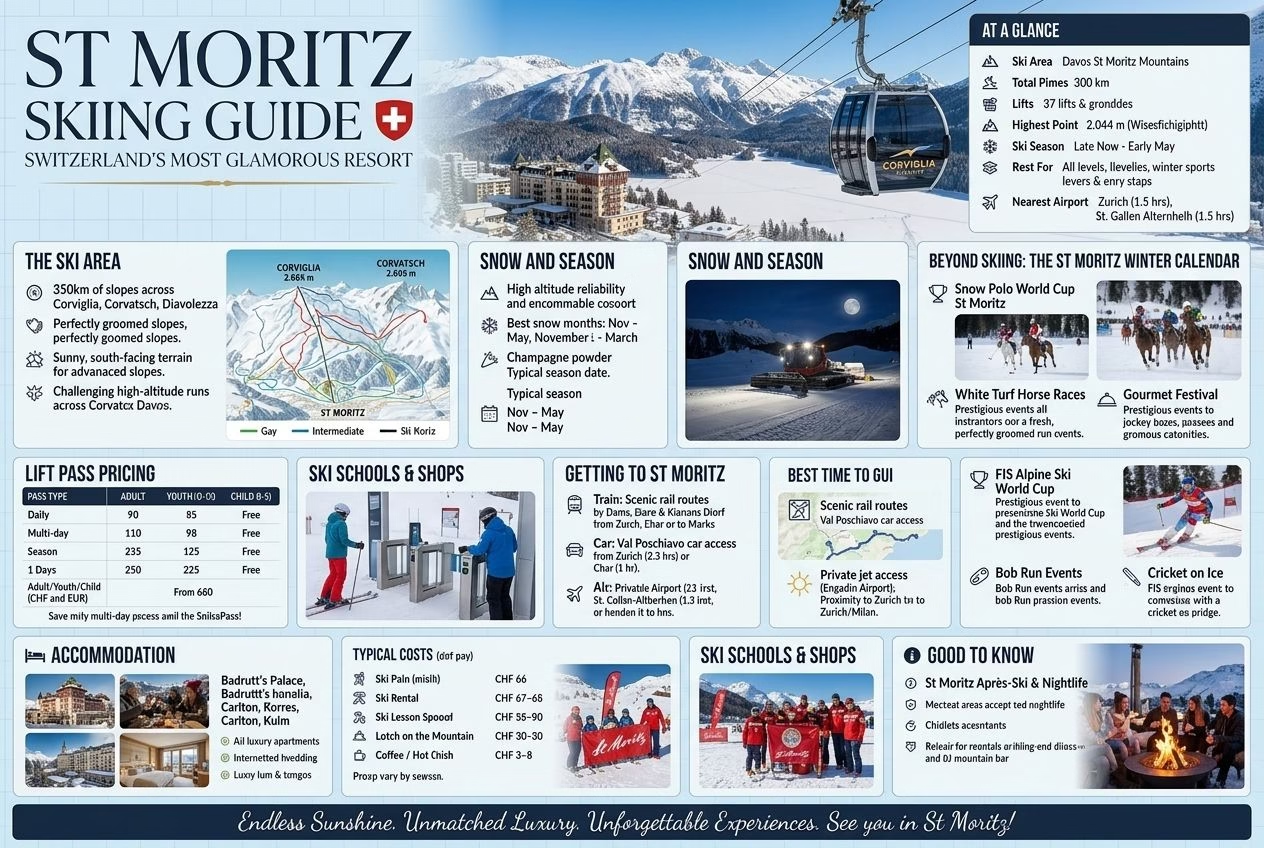
St Moritz claims to have invented Alpine winter tourism. According to the story, the hotelier Johannes Badrutt of the Kulm Hotel bet four British summer guests in 1864 that the winter sun in the Engadine was warm enough to enjoy without heavy clothing. They came, they stayed until Easter, and the resort has built its identity on that combination of high-altitude sunshine and high-society glamour ever since. It is Switzerland’s oldest winter resort and, alongside Zermatt, its most internationally recognised name. It hosted the Winter Olympics in 1928 and 1948.
The Ski Area
St Moritz divides into three main ski areas: Corviglia/Piz Nair above the town (topping out at 3,057 metres), Corvatsch (3,303 metres), and Diavolezza/Lagalb (just under 3,000 metres). A pass for the whole Upper Engadin also covers smaller areas such as Zuoz, Muottas Muragl, and Furtschellas, giving well over 300 kilometres of pistes in total, and it includes free use of the local public transport.
The Corviglia area above the town offers the most accessible intermediate terrain, with wide, well-groomed runs from the summit down towards St Moritz. The Diavolezza offers more challenging terrain and an extraordinary panorama of the Bernina massif, including Piz Bernina, the highest peak in the Eastern Alps. The Corvatsch, the highest of the three areas, adds further advanced terrain and some of the region’s most reliable high-altitude snow.
Snow and Season
The Engadine’s high altitude and famously dry, sunny climate give St Moritz a long and reliable season; in 2025/26 it ran from 22 November to 5 April. The snow here is often described as drier than the wetter, heavier snow further west in Switzerland, a product of the valley’s continental climate.
Beyond Skiing: The St Moritz Winter Calendar
The winter social season at St Moritz is as significant as the skiing for many visitors, and much of it happens on the frozen surface of Lake St Moritz. The White Turf horse races on the frozen lake (February) are the best known of these events, alongside the Gourmet Festival and snow polo tournaments played on the ice (both usually in January or February). These events draw an international crowd well beyond the skiing community and shape the resort’s high-season pricing and availability as much as snow conditions do.
Lift Pass Pricing
St Moritz sits at the top end of Swiss resort pricing. Its lift passes use dynamic “Snow-Deal” pricing, and an adult day pass for the whole Upper Engadin ranged from roughly CHF 89 to CHF 115 depending on the date in the current listings, so it is in the same range as Zermatt and Davos Klosters (CHF 94), with the top rate above both. Booking early gets the lower prices, and children up to their 6th birthday ski free with a paying parent. The Ski Pass Costs guide covers how Swiss lift pass pricing works in general.
Getting to St Moritz
St Moritz is reached by the Rhaetian Railway from Chur in around two hours. The Albula line is part of a UNESCO World Heritage railway landscape and a genuinely scenic journey in its own right, independent of the skiing at the other end. The Glacier Express from Zermatt also terminates in St Moritz, taking most of a day, and is a slow but scenic way to combine the two most famous Swiss resorts into a single trip.
Related: Winter and Skiing Hub | Best Ski Resorts | Ski Pass Costs | Davos and Klosters
Written by Laura Meier. Updated regularly as prices and conditions change. Corrections and updates are welcome at contact@allaboutswiss.com.