
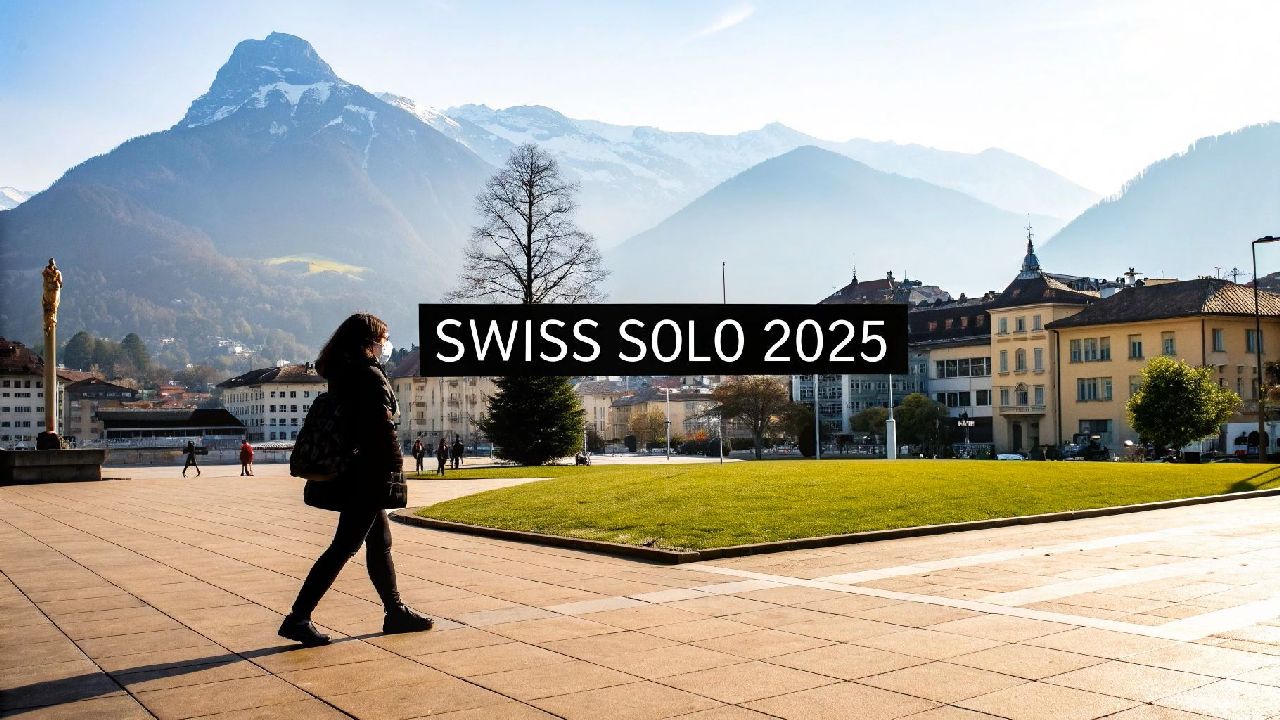
Quick answer: Switzerland has a strong reputation for safety, reliable public transport and clear signage, and all six cities below are practical for women traveling alone. Pick Zurich or Geneva for big-city amenities, Lucerne for scenery and mountain access, Basel for art, Bern for a quiet historic capital and Lausanne for a lively lakeside university city. No city is risk-free, so the usual precautions apply everywhere. See our Switzerland safety guide.
Comparison at a glance
| City | Feel | Cost | Good for | Watch out for |
|---|---|---|---|---|
| Zurich | Large, orderly, lakeside | Very high | Transport hub, museums, day trips | Quiet evenings, early Sunday closures |
| Geneva | International, French-speaking | Very high | Museums, lake, access to the Alps and France | Limited budget lodging |
| Lucerne | Small, scenic, touristy | High | Old town, lake, Pilatus and Rigi day trips | Summer crowds, weather-dependent excursions |
| Basel | Cultural, tri-border | High | Art museums, Rhine, day trips to France and Germany | Less English than Zurich or Geneva in some places |
| Bern | Calm, historic capital | High | Old town, Aare river, base for the Oberland | Fewer nightlife options |
| Lausanne | Hilly, youthful, lakeside | High | Olympic Museum, Lavaux vineyards, lake | Steep streets, French language |
Costs are relative to other Swiss cities, which are all expensive. For current prices see our Switzerland travel costs guide.
1. Zurich
Switzerland’s largest city combines a lakeside setting, a compact old town and an efficient tram and train network. English is widely used, and the city works well as a hub for day trips to lakes and mountains.
- Where to stay: the old town and Seefeld are convenient, quiet and well connected.
- Good to know: many restaurants and shops close early on Sundays, and book weekend dinners in advance.
- Getting around: use trams, buses and the ZVV app. A city card can combine transport with museum discounts if you plan several visits.

More in our Zurich city guide.
2. Geneva
Geneva is an international city with a lakefront, museums and easy access to the French Alps. French is the main language, though English is common in visitor areas. Accommodation and dining are expensive, and budget lodging is limited, so book early.
- Where to stay: near Cornavin station or the old town for transport and walking. Many accommodations include a free local transport card for guests, so confirm this when booking.
- Good to know: consider free walking tours to get oriented and meet other travelers.

More in our Geneva city guide and solo travel in Geneva.
3. Lucerne
Lucerne packs a medieval old town, the Chapel Bridge and a lake into a very walkable center, and it is a gateway to mountain excursions such as Mount Pilatus and Mount Titlis. It is popular and can be crowded in summer, with fewer evening options than the larger cities.
- Where to stay: the old town or near the station for walking access.
- Good to know: mountain trips depend on weather, so keep your plans flexible and check conditions the morning of your trip. Booking mountain railway tickets online can save time in peak season.
- Company: small-group tours are an easy way to meet people on excursions.

More in our Lucerne city guide.
4. Basel
Basel sits where Switzerland, France and Germany meet. It has a historic old town on the Rhine and a strong museum scene, including the Fondation Beyeler and the Kunstmuseum, plus the Art Basel fair in June. Day trips to France and Germany are easy. German is the main language, and English is common in visitor settings.
- Where to stay: Grossbasel or Kleinbasel, near the old town and the Rhine. Hotel guests often receive a visitor transport pass.
- Good to know: hotel prices spike during major fairs, so book well ahead if your dates overlap.

More in our Basel city guide.
5. Bern
The capital has a UNESCO-listed old town with covered arcades, the Zytglogge clock tower and the Bear Park. In summer, locals float or swim in the Aare river, though currents are strong, so follow local guidance and only swim where it is clearly allowed. Bern is calmer than Zurich or Geneva and works well as a base for the Bernese Oberland.
- Where to stay: the old town for atmosphere, or near the station for transport.
- Good to know: evenings are quiet, and the funicular to Gurten gives a view over the city.

More in our Bern city guide.
6. Lausanne
Lausanne is a hilly lakeside city with a university community, a cathedral in the old town, the Olympic Museum and the Lavaux vineyard terraces nearby. It has a metro that helps with the hills. French is the main language. It is often a little cheaper than Geneva, though still expensive.
- Where to stay: Ouchy for the lakefront, or the center for the old town and museums.
- Good to know: the streets are steep, so wear comfortable shoes, and the Lavaux terraces make an easy walk or train-and-walk day trip.

More in our Lausanne city guide.
Practical tips that apply everywhere
- Transport: trains, trams and buses are punctual, and service usually thins out late at night, so check the last connection home. See our SBB train guide.
- Accommodation: read recent reviews, choose a well-connected area and book early in summer and December.
- Language: German, French or Italian depending on the region. English is common in visitor areas. See our languages guide.
- Money: cards are widely accepted, but carry a little cash for small purchases. See money and ATMs.
- Safety basics: keep valuables secure in crowded places and stations, share your plans with someone at home and trust your instincts. In an emergency call 112.
- Saving money: free walking tours, picnic meals and a pass only when your travel plans justify it. See our Swiss Travel Pass guide.
How to choose
- First trip, short stay: Zurich or Lucerne for easy logistics.
- Culture and museums: Basel or Geneva.
- Quiet and historic: Bern.
- Lake, wine and a student atmosphere: Lausanne.
- Mountains as the main goal: use Lucerne or Bern as a base, or read our guides to Interlaken and Zermatt.
Keep planning

I’m Laura, a travel writer based in Zürich, and Switzerland is the place I know better than anywhere else. I moved here 9 years ago and haven’t stopped exploring it since.
Over the past 9 years I’ve made 40+ trips across every Swiss canton — from the Italian-speaking south of Ticino to the remote valleys of Graubünden to the lake towns of Romandy. I speak German, French and English fluently, which means I can read the local newspapers, argue with train conductors, and actually understand what the mountain guide is telling you when the weather turns.
Switzerland is a deceptively complex destination: four languages, 26 cantons, wildly different regional cultures, and a transport network so intricate it takes years to properly understand. I write to demystify all of it — whether you’re planning your first visit to Zermatt, deciding between Zürich and Geneva for a city break, or figuring out how to live here as a digital nomad or remote worker.
I also cover Central Europe for travellers who want to venture beyond the obvious — particularly the Czech Republic, Austria and the Alpine arc connecting Switzerland to its neighbours.
All About Swiss is my home base, where I publish in-depth guides to Swiss travel, life and culture. If it involves Switzerland, I’ve probably written about it, or I’m about to.