
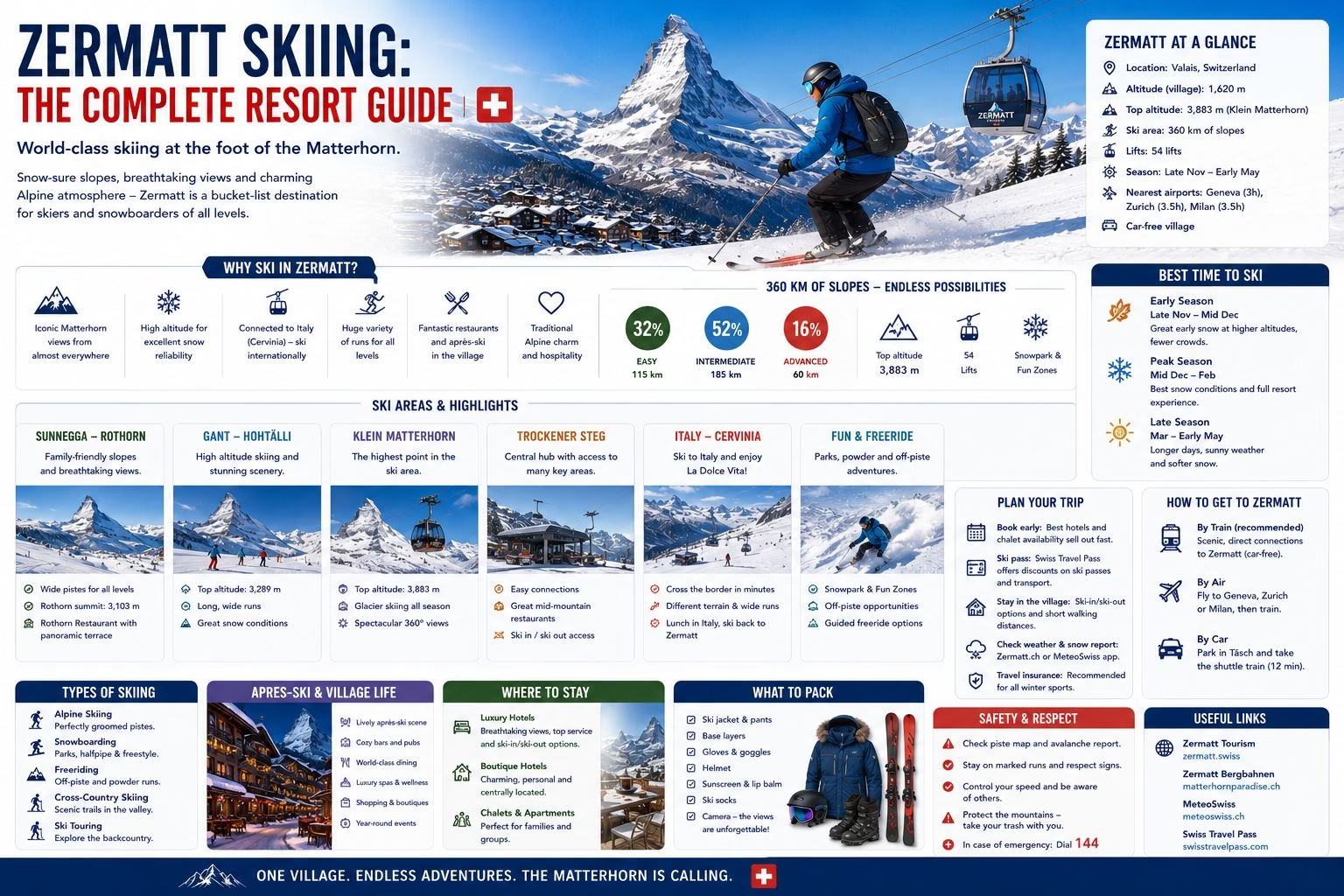
Zermatt is Switzerland’s most famous and one of its most expensive ski resorts, and the one most likely to appear on a first-time visitor’s shortlist. This guide covers the resort specifically for skiing: the ski area, lift pricing, snow reliability, and who it actually suits. For the Matterhorn views and summer trails, see our Zermatt and Matterhorn hiking guide.
The Ski Area
Zermatt’s ski area offers up to about 200 kilometres of marked pistes on the Swiss side, from the village at 1,608 metres up to the Matterhorn Glacier Paradise (the Klein Matterhorn) at 3,883 metres, the highest cable car station in Europe. It is split into three main areas: Sunnegga-Rothorn, Gornergrat, and Schwarzsee-Matterhorn Glacier Paradise. The area connects directly to Cervinia on the Italian side of the border; the Zermatt-Cervinia combination brings the total to around 360 kilometres, available on a single “International” ski pass. The terrain suits intermediate and advanced skiers particularly well, with high-altitude glacier skiing and proper off-piste.
The 2026/27 winter season is due to start on 1 November 2026 on the glacier, with the Sunnegga-Rothorn and Gornergrat areas opening on 28 November, and it runs until 3 May 2027 (the Sunnegga-Rothorn area closes on 11 April and the Gornergrat area on 18 April). Check the resort website for the latest opening dates, which depend on snow.
Snow Reliability
This is Zermatt’s defining advantage over lower-altitude Swiss resorts: the glacier skiing above 3,000 metres and the overall altitude range mean snow holds up well even in seasons where lower resorts struggle. In a normal year the Theodul Glacier ski area also operates through the summer, but summer skiing depends on glacier conditions, and the summer 2026 melt disrupted operations. If summer skiing is the point of your trip, check the resort site before you book. The reliable snow is a significant part of what justifies the resort’s premium pricing relative to alternatives like Saas-Fee or the Jungfrau region.
Lift Pass Pricing
Zermatt is among the most expensive Swiss resorts for lift passes, and it now uses dynamic pricing: in 2026/27 a one-day pass starts from CHF 89 (half-day from CHF 68), with the lowest prices in early season and late April, and prices can rise with demand and the weather forecast. Multi-day passes bring the per-day cost down meaningfully (a three-day pass starts from CHF 209), and the International pass including Cervinia costs more. Children under 9 ski free and ages 9 to 15 pay half price, and on Saturdays the pass is free for children up to 15. The full picture, including Flex passes and how to book at the lowest price, is in our Ski Pass Costs guide.
Who Zermatt Suits
Zermatt is the right choice for skiers who want the most recognisable Alpine backdrop in the country, reliable snow across a long season, and access to varied terrain including off-piste and glacier skiing, and who are prepared to pay a premium for all of it. Beginners are reasonably well served by a dedicated beginner pass and nursery slopes, but the resort’s reputation and pricing are built around intermediate and advanced skiing; the Best Ski Resorts for Beginners guide covers resorts that offer better value for a first-time skier.
Related: Winter and Skiing Hub | Zermatt Hiking | Ski Pass Costs | Saas-Fee | Best Ski Resorts
Written by Laura Meier. Updated regularly as prices and conditions change. Corrections and updates are welcome at contact@allaboutswiss.com.